Farmer registration is open
Know who
owns your food.
Certified Farmer-Owned is the first third-party verified farmer ownership certification in the food system. Built by farmers. Governed by farmers. So when a label says farmer-owned, it finally means it.
You've probablyalready said it.
On your packaging. On your website. At the farmers market. "Farmer-owned."
"The problem is, anyone can say it. There is no standard. No third party checks. No proof."
Big brands put farmers and "farm" on their labels every day, without owning a single acre or the responsibility that comes with it. These words have been borrowed, stretched, and abused. We call this farmwashing.
Farmwashing · noun
Presenting a product as farm-fresh or farmer-owned while the farmer keeps neither the ownership nor the value. Not an accident. A strategy. Corporations put farms on their labels because it works, and consumers trust it. It works because no verified standard has ever said only the real thing gets the mark. Until now.
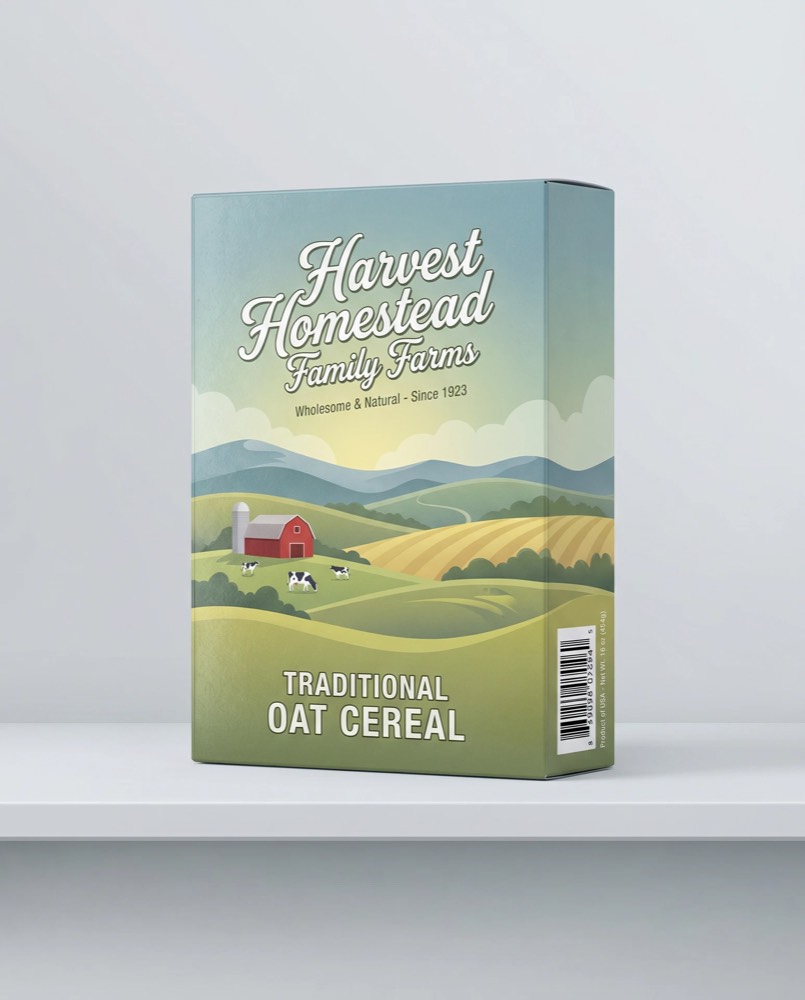
Farm-branded. Not farmer-owned.
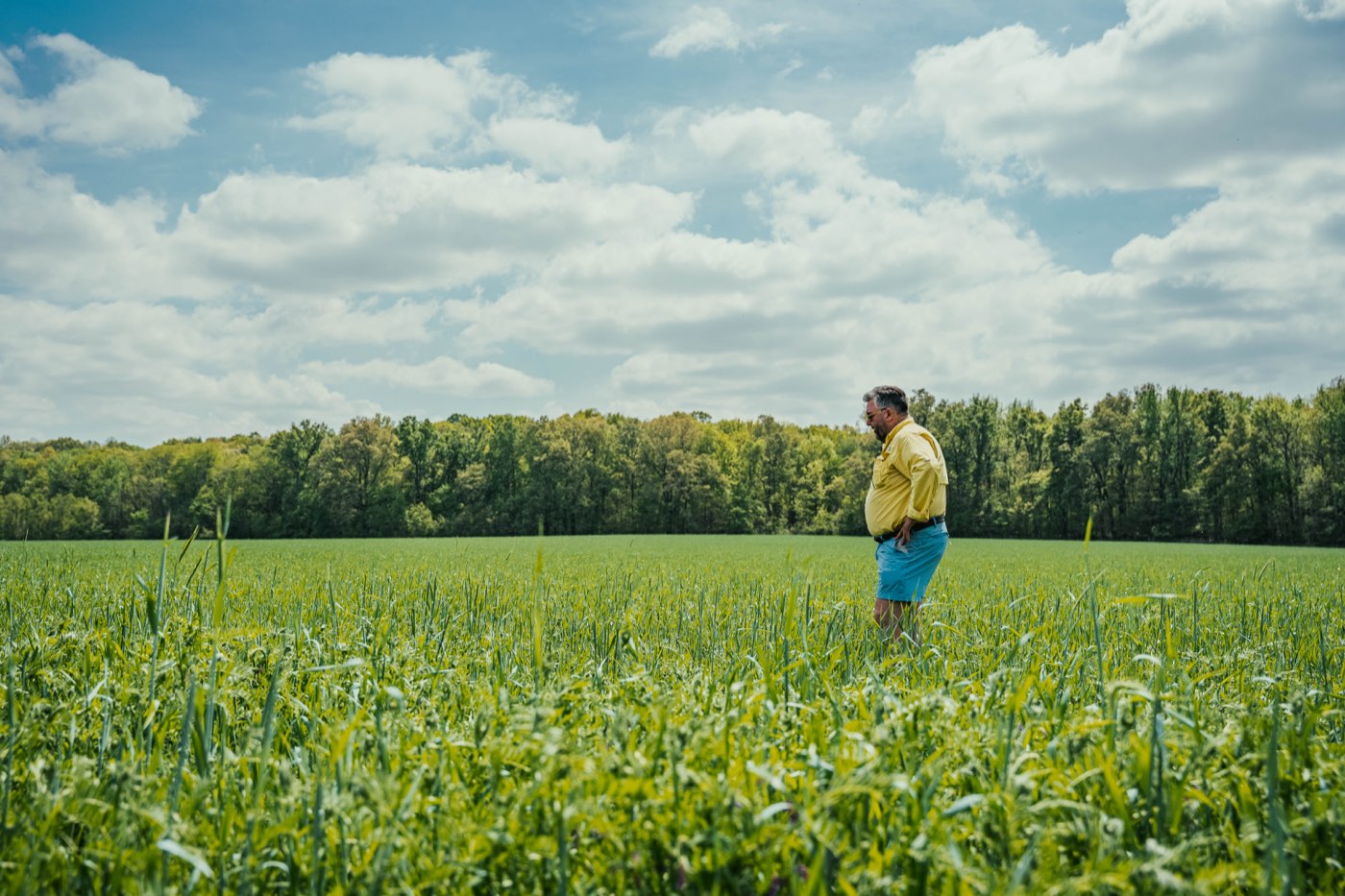
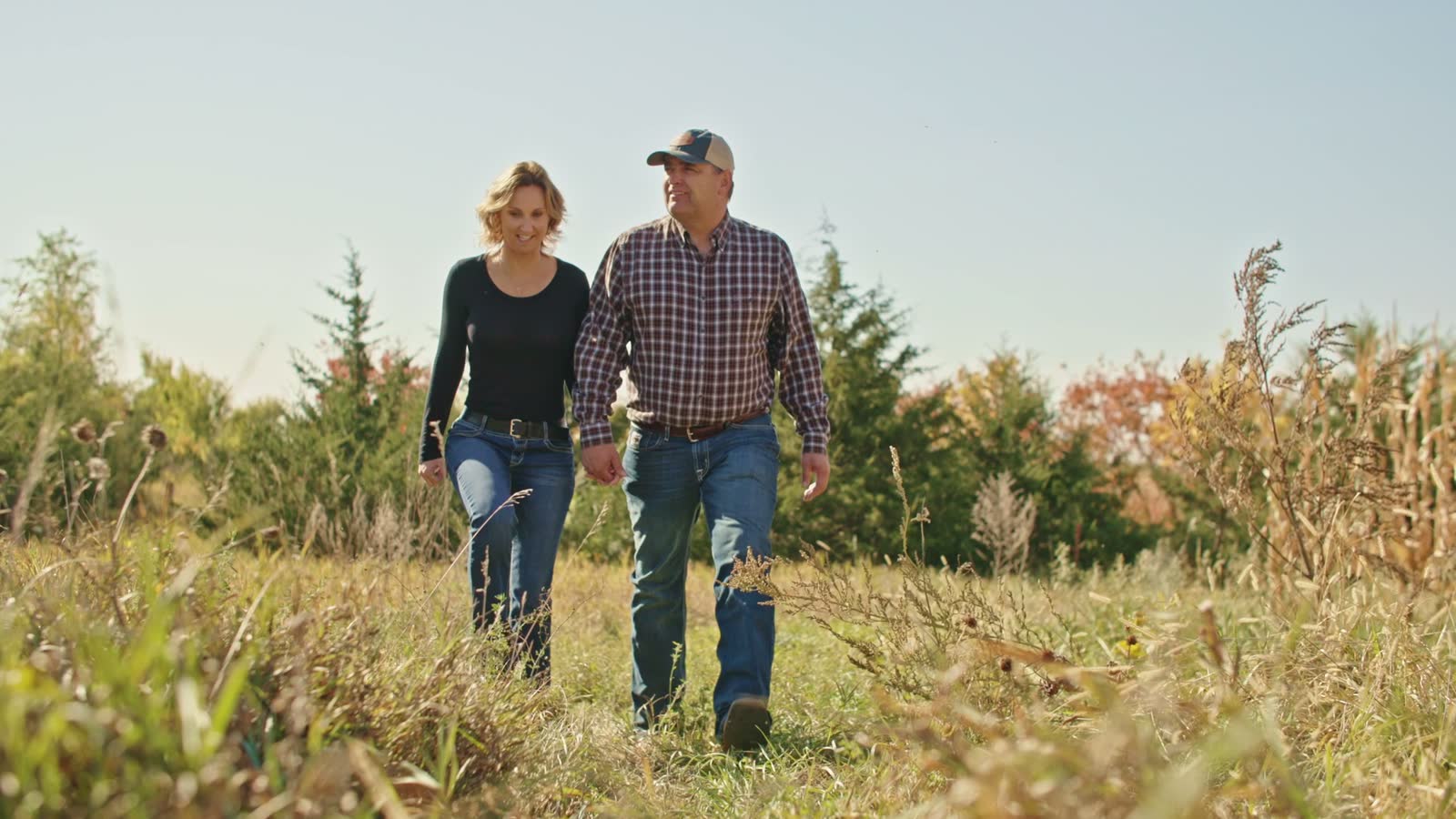
Real land. Real work. Real owner.
One mark that proves it.
Certified Farmer-Owned is a verified mark for food. It tells shoppers, buyers, and retailers that the people behind a brand own it and control it, and that someone other than the brand checked. It can only be used by brands that earn it.
When the claim is checked, the words mean something again. Real farmer-owned brands get credit for what they built, and shoppers can tell the difference at a glance.
Everything that follows is how we get there: what is at stake, who is already in, and how the standard works.
You built something real. It is time the mark on your product proves it.
The farm's share of every food dollar keeps shrinking.
Down from 14.7¢ in 2007. Every year, more of the value a farmer produces is captured further up the chain.
Farm share, after expenses
down from 5.9¢ in 2023
Farm share, all food
down from 12.1¢ in 2023
Farm share, groceries
less than one-fifth
The marketing bill
everything after the farm
USDA ERS Food Dollar Series, via American Farm Bureau Federation, 2024. "All food" is the domestic food dollar; "groceries" is food at home.
Corporations can copy the aesthetic of farmer ownership. They have been doing it for decades. What they cannot do is pass a third-party audit that requires active farmer equity and operational control as a condition of certification. A holding company cannot pass this audit — not because we won't let them, but because they structurally cannot satisfy it.
of U.S. adults trust farmers — one of the highest trust signals in the food system
Morgan Myers, 2023
Grocery becomes the single largest e-commerce category in the U.S. by 2026 — bigger than apparel and accessories
eMarketer, 2026
of consumers have a positive perception of the farmer-owned label
Grashuis & Su, 2026
That milestone is e-commerce alone. Farmer-owned brands sell through retail shelves, food service, and wholesale too — channels that already move far more volume than online grocery, and where this mark works exactly the same way.
The opportunity is real, the trust already exists, and farmers are the ones losing value in the gap between them. This is how that gap closes.
Meet the farmers already building it.
Real families. Real land. Real product on real shelves. This is what Farmer-Owned looks like up close.
Painterland Sisters
Committed to certify
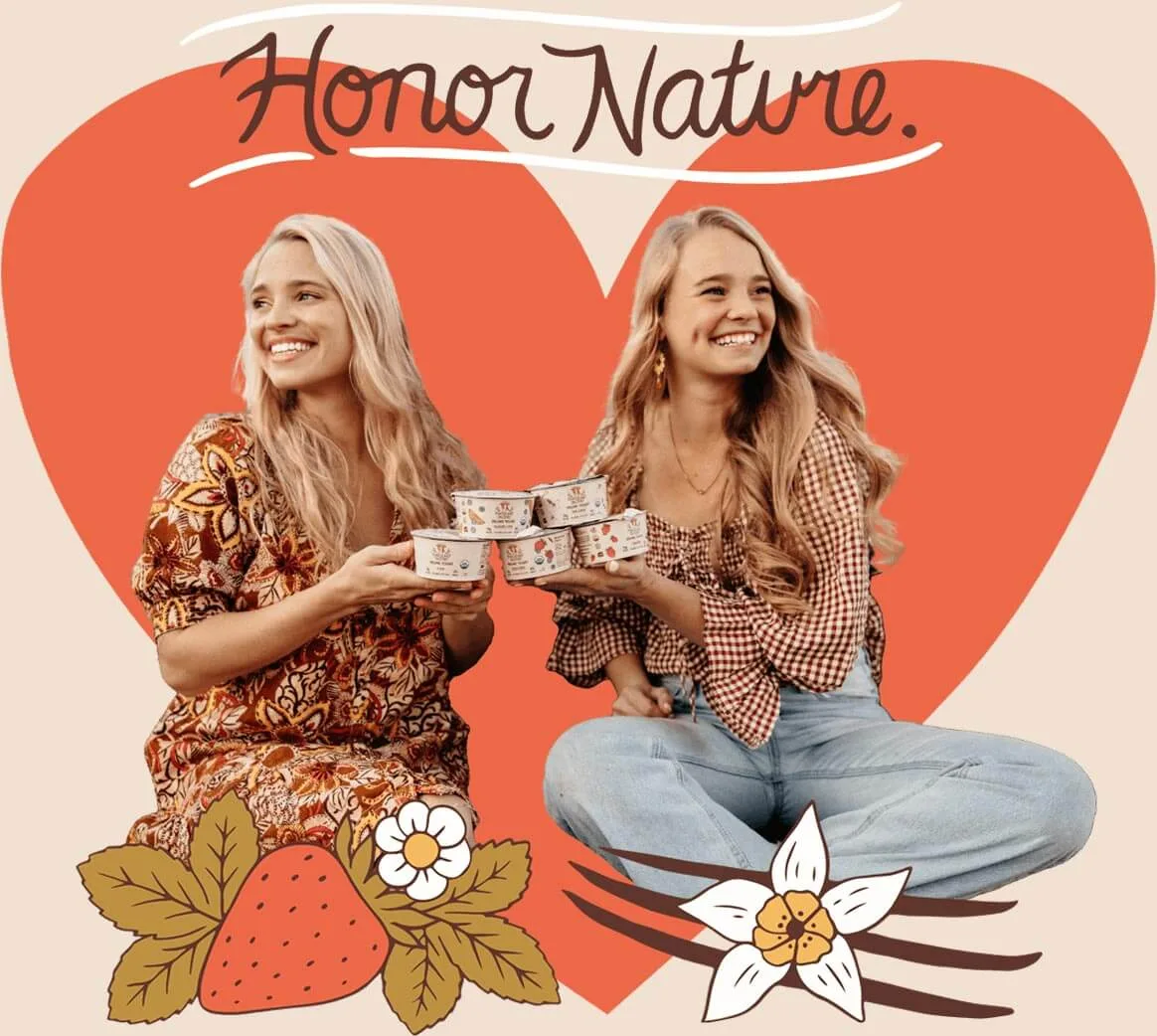
Hayley & Stephanie Painter · 4th-generation dairy · Tioga County, PA
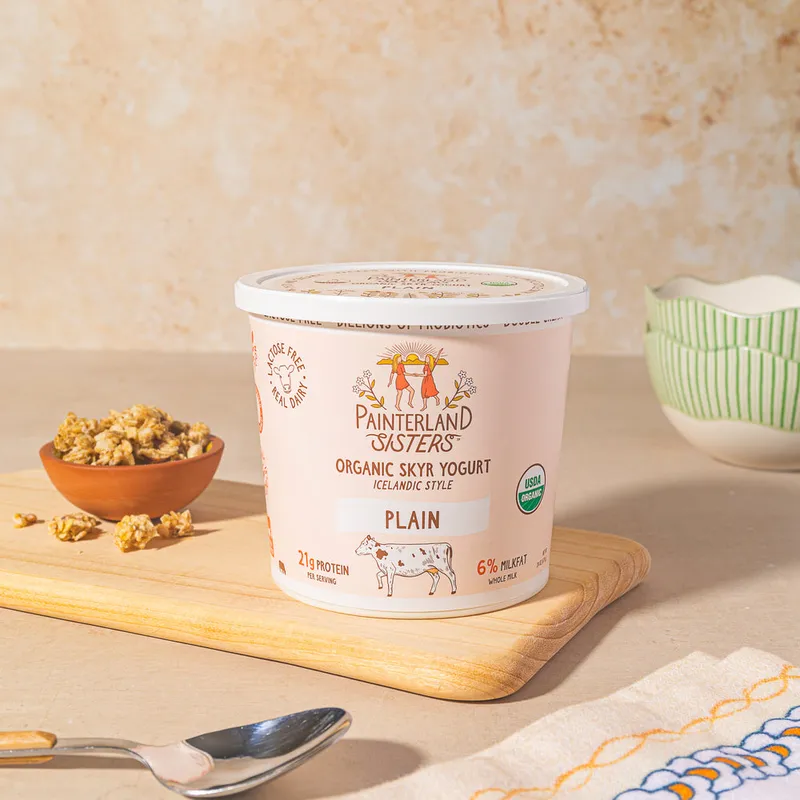
Two sisters turned their family's dairy into an organic skyr brand now in 5,000+ doors across all 50 states, national at Whole Foods. They didn't wait for permission to own their brand. They built it.
Proof a family farm can go national and keep its own name out front.
Read their story (Painterland Sisters)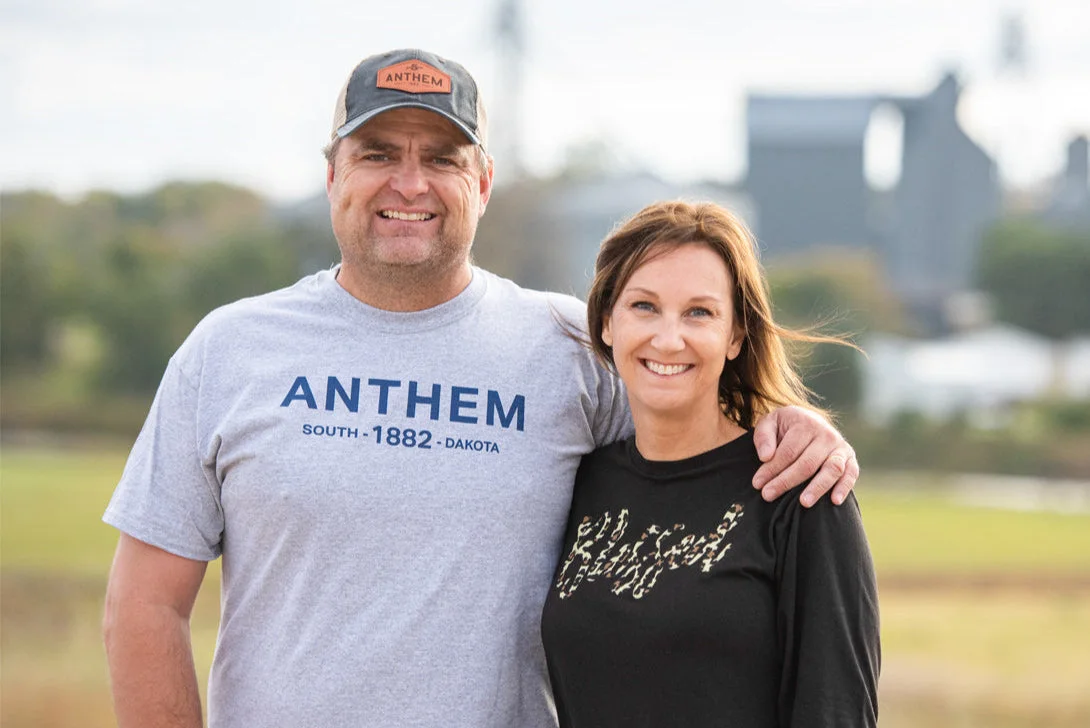
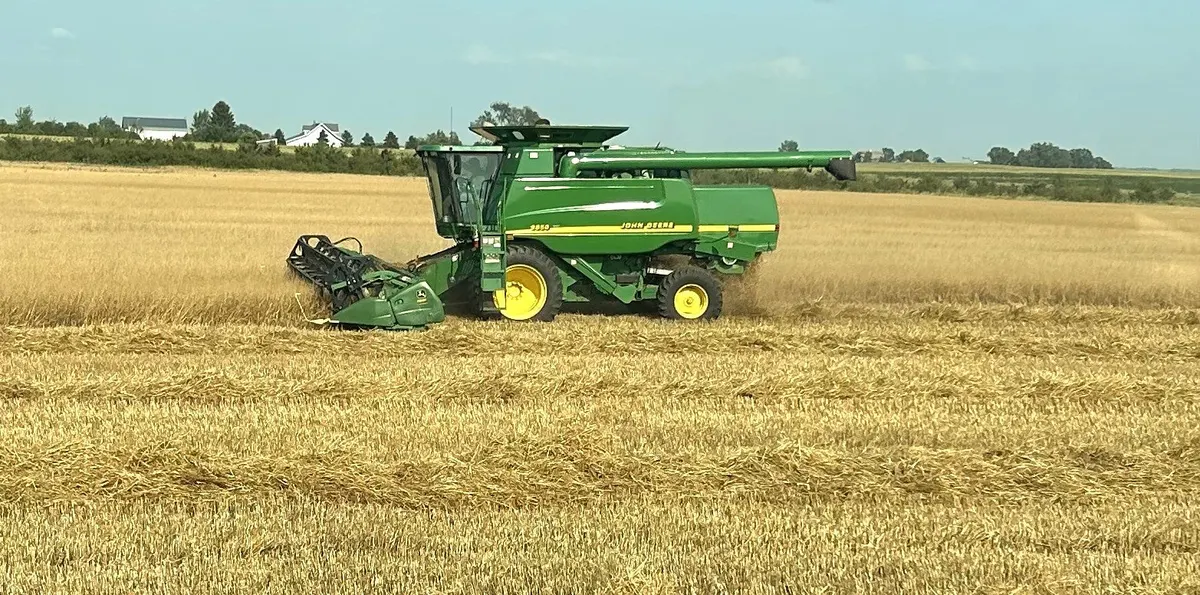
Anthem Oats
Committed to certify
Taylor & Cassandra Sumption · 5th-generation family farm · Frederick, SD
A fifth-generation South Dakota farm that built its own food brand to bring farm-grown oats directly to consumers. Anthem Oats is led by Taylor and Cassandra Sumption, whose family has farmed in Frederick, South Dakota, since 1882.
Five generations of South Dakota farming, now with the family's own name on the package.
Read their story (Anthem Oats)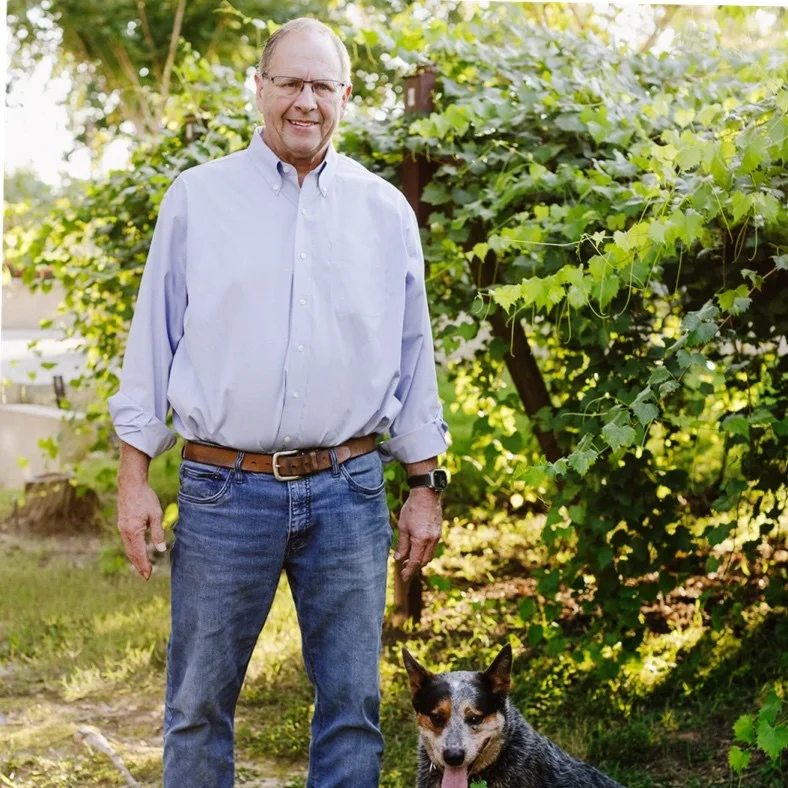
Union Grove Farm
Committed to certify
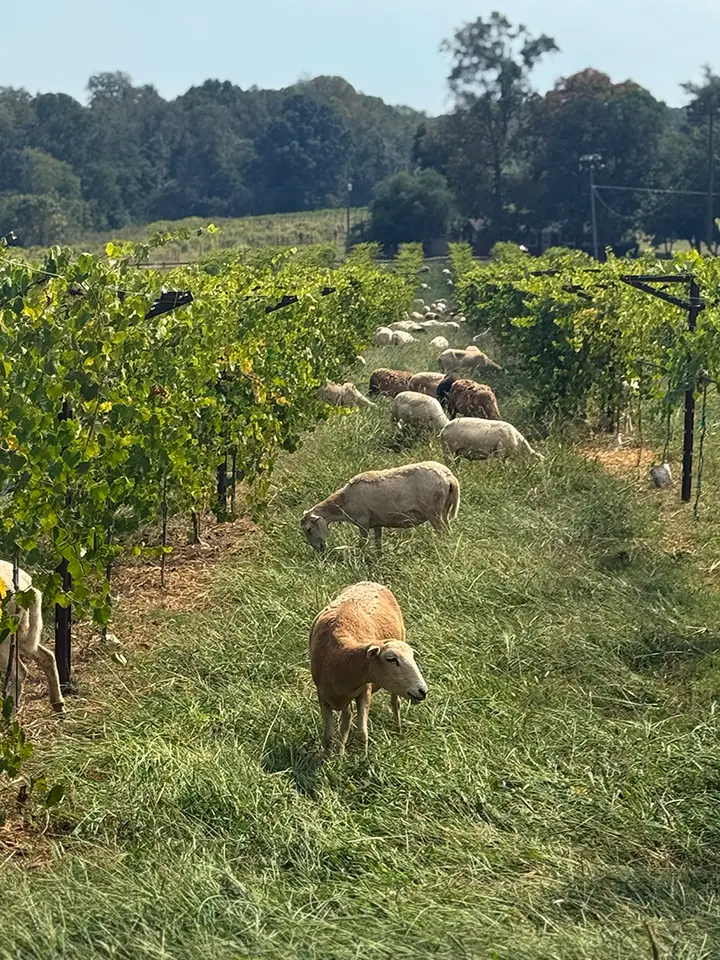
Greg Bohlen · Regenerative vineyard · Hillsborough, NC
A regenerative vineyard and farm in Hillsborough, North Carolina, founded by Greg Bohlen after a 30-year career in banking and venture capital. It is the nation's first vineyard to achieve Regenified's highest Tier 5 certification.
Committed to certifying with the founding cohort.
Read their story (Union Grove Farm)The cohort is forming
Building alongside them
Choose a farm to meet the people behind it.
You're not taking our word for it.
The Farmer-Owned Project is the steward. Here's what actually backs the mark.
A Published Standard
Ownership and active farming are verified through records you already keep: tax filings, farm-registration records, and co-op membership, adapted to your region or country (in the U.S., FSA records and Schedule F). If you own and control it, this mark was built for you.
Farmer-Governed
The Standards Council will be farmer-majority. Once seated, it guides how the Standard evolves, approves program guidance, and oversees consistent application. Until then, our Board oversees the Standard.
Independent Certification
An independent Certification Body will verify farms against the Standard. It does not own or write the Standard. Farmers and the Standards Council do.
A Certification Mark
Certified Farmer-Owned is built as a certification mark under the federal Lanham Act (15 U.S.C. § 1054): the nonprofit owns it, certified farms license it, and a brand that has not been verified has no right to use it.
An Independent Nonprofit
The Farmer-Owned Project is its own independent nonprofit, separate from any single company. Its Standard is built to answer to farmers through a farmer-majority Standards Council, not to a company or an investor.
A Proven Structure
The same trusted structure behind marks like Non-GMO Project Verified: an independent nonprofit that owns the standard, independent third-party auditors who do the actual verification, and governance held above any single company's control.
A recognized category
Ownership marks like Woman-Owned already build trust with large buyers and public programs to tell real owners from other brands. This is new for food and farmers, but the category is proven, and its peers are industry-recognized. Farmers deserve the same credential.
Picture the shelf a few years from now.
Not a niche. Not a farmers-market table off to the side. Farmer-owned, front and center — where the whole country shops.
Vision tiles · scroll →
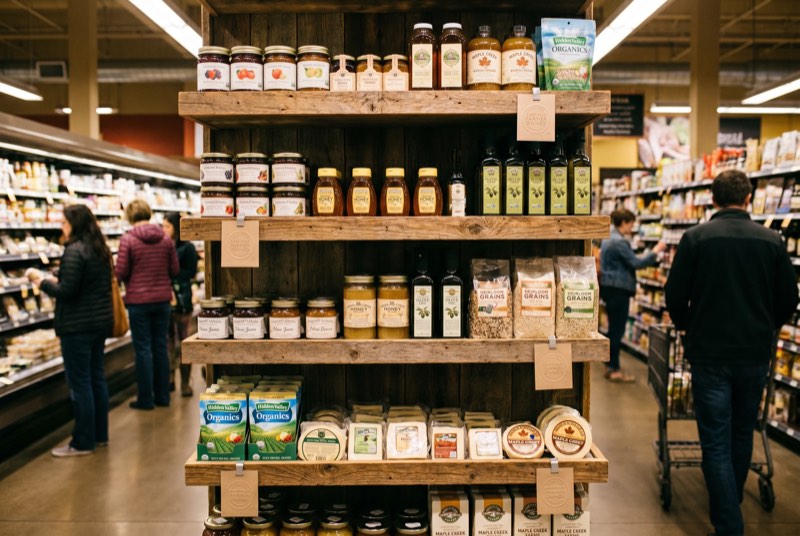
Our brands. Prime shelf.
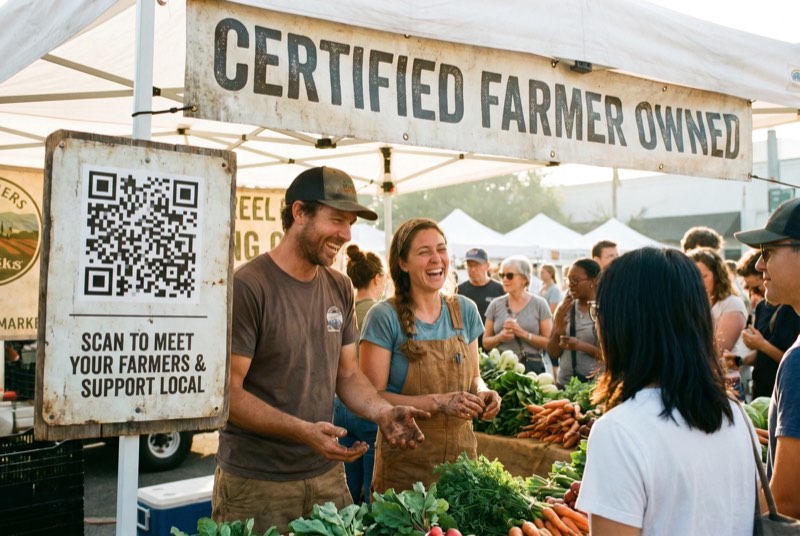
Meet Farmers, follow them home
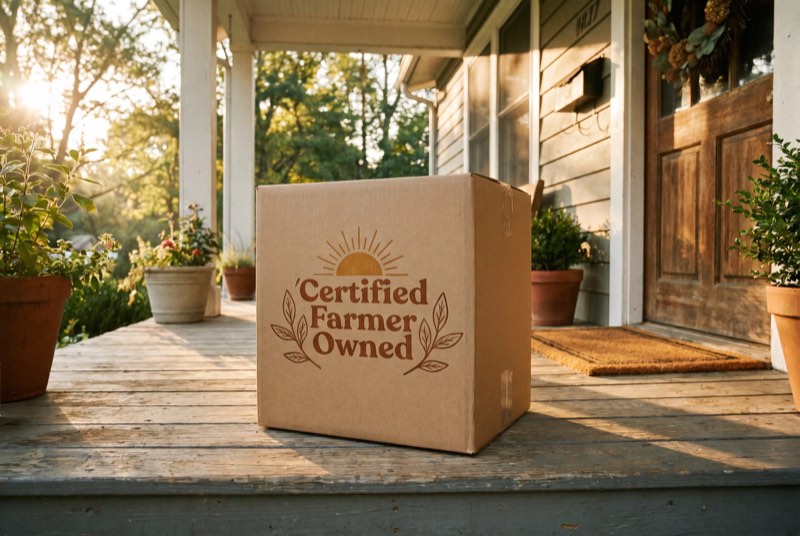
From our land to your door.
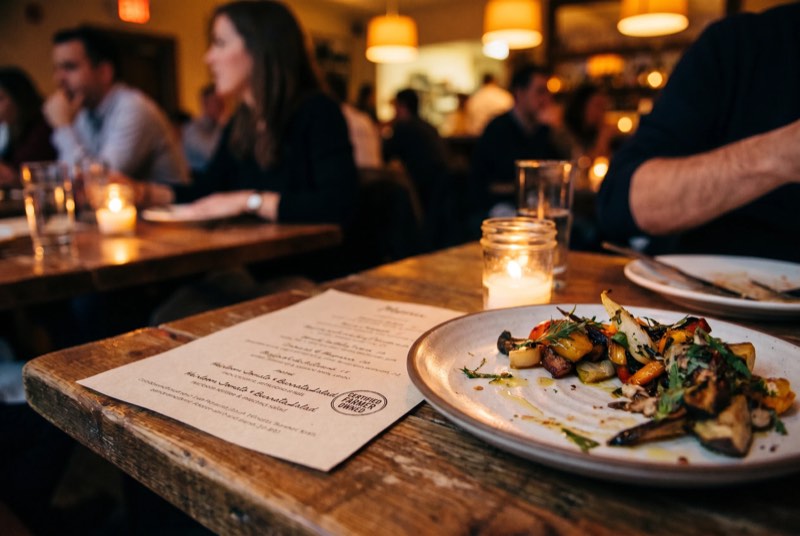
Farmer-owned on the menu.
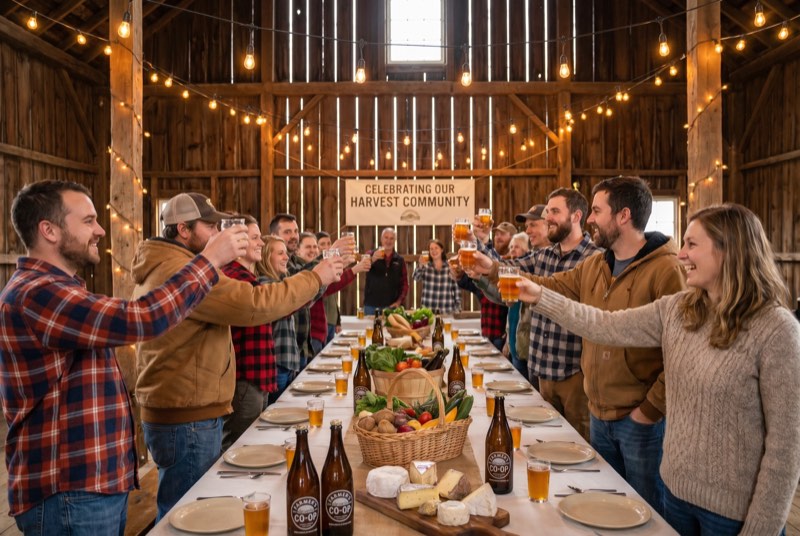
Taste it. Meet who grew it.
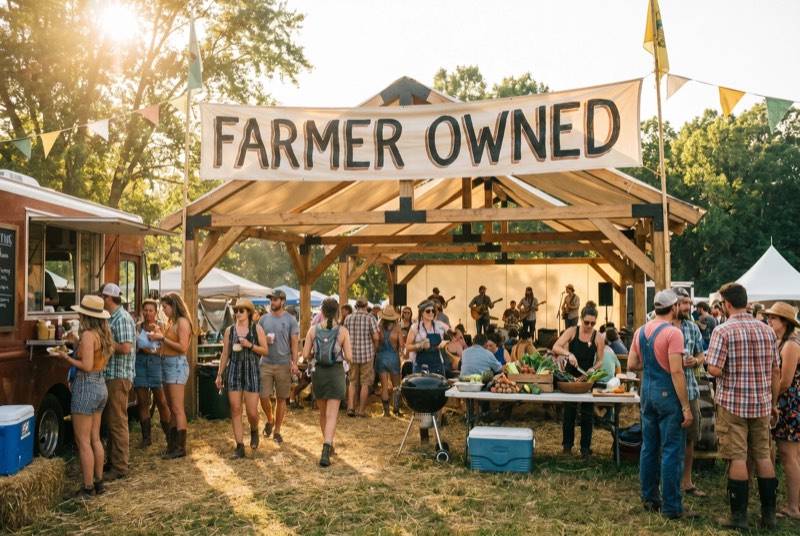
Tailgates. Festivals. Cultural Impact.
This is the category we envision. This is the future we are building toward.
Here's exactly what your contribution is building.
Not a wish list. A build order, and where each piece honestly stands today.
Standard finalized
DoneFinalized and piloted with our first brand. Stress-tested against hard cases, with farmer input built in directly.
Farmer registration open
DoneOpened October 12, 2026, National Farmers Day. Farmers register their interest in certification through our Apply form.
Standards Council seated
UpcomingA farmer-majority council takes up its role: approving program guidance and overseeing consistent application of the Standard.
Certification Body appointed
UpcomingAn independent Certification Body is appointed to run applications and assessments. Until then, we accept farmer registrations only.
First certifications issued
UpcomingThe Certification Body issues the first certifications as registered farms complete assessment.
This isn't a someday. It's a build order, and it's already moving.
Be part of it.
Fund the standard that puts real farmers first, or register your own farm.